
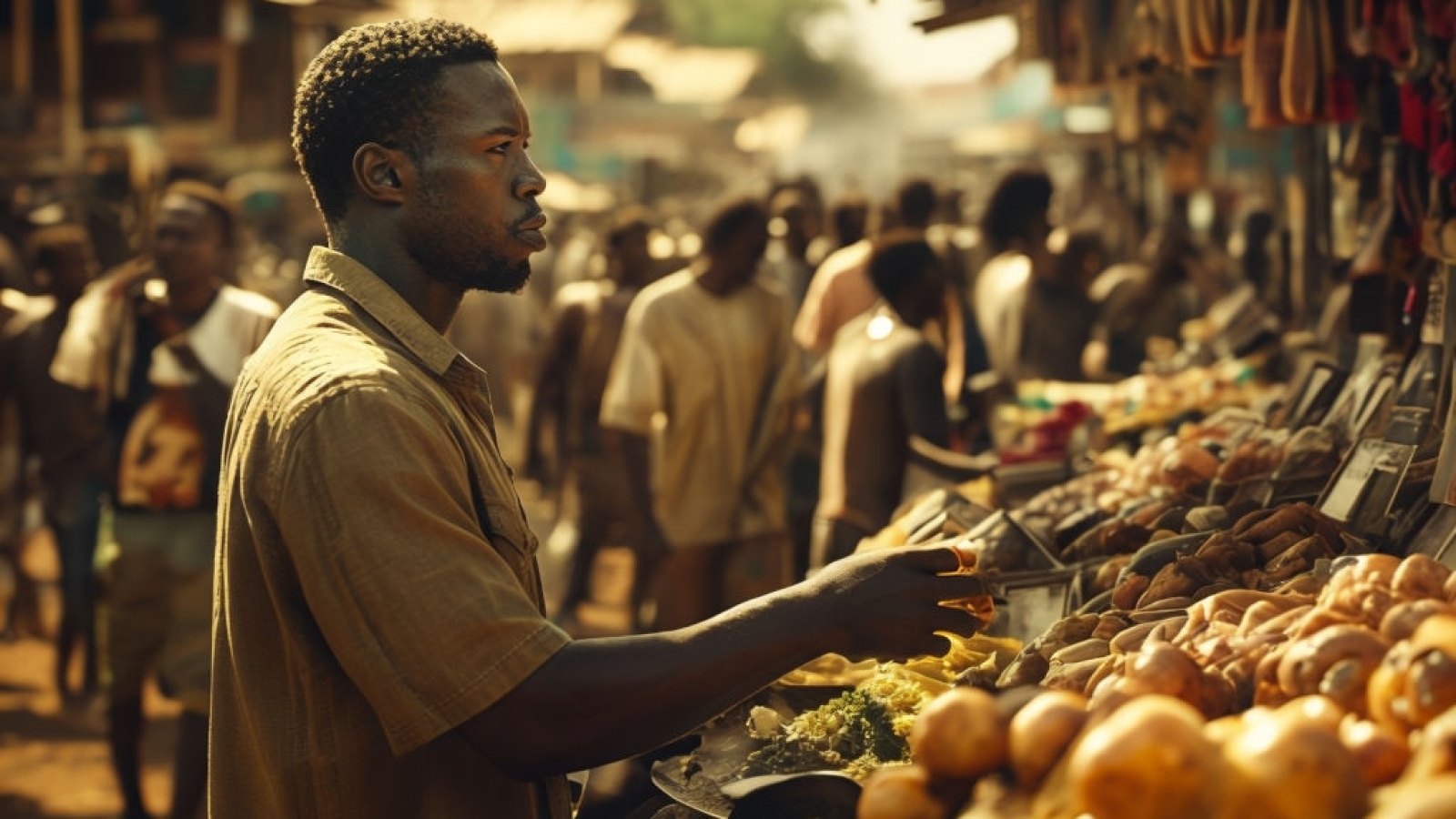
Nigeria, often referred to as the “Giant of Africa,” is a country of stark contrasts and immense potential. This duality is evident in its economic landscape, cultural diversity, and market dynamics. Understanding these contrasts is crucial for effective marketing research and strategy development.
Economic Duality
Nigeria’s economy is characterized by significant disparities. On one hand, it boasts one of the largest economies in Africa, driven by its oil and gas sector. On the other hand, it faces challenges such as high unemployment rates, inflation, and poverty. This economic duality affects consumer behavior and purchasing power, making it essential for marketers to segment their target audience accurately.
Cultural Diversity
With over 250 ethnic groups and numerous languages, Nigeria’s cultural diversity is both a strength and a challenge. This diversity influences consumer preferences, media consumption habits, and brand perceptions. For instance, marketing strategies that resonate in Lagos might not be as effective in Kano. Therefore, localized marketing campaigns that consider regional preferences and cultural nuances are vital.
Urban vs. Rural Markets
Nigeria’s urban centers, like Lagos and Abuja, are hubs of economic activity and innovation. These cities offer lucrative opportunities for businesses due to their higher disposable incomes and consumer sophistication. In contrast, rural areas, which constitute a significant portion of the population, present different challenges and opportunities. Marketers need to adopt a dual approach, combining modern digital marketing techniques for urban areas with traditional methods for rural markets.
Digital Transformation
The rise of digital technology is reshaping Nigeria’s marketing landscape. With increasing internet penetration and mobile phone usage, digital marketing has become a powerful tool. Social media platforms, in particular, are popular among the youth, offering a cost-effective way to reach a large audience. However, the digital divide between urban and rural areas means that marketers must balance online and offline strategies.
Conclusion
To succeed in Nigeria’s market, marketers must understand and adapt to the country’s economic, cultural, and technological contrasts, using both quantitative data and qualitative insights to craft effective and inclusive strategies.
Ready to unlock Nigeria’s market potential? Partner with us to gain the insights and strategies you need for success. Contact us today! #We Know Africa.
Comment